

Discover the Pescatarian Lifestyle: Benefits, Food Choices, and Sherman Oaks Integration
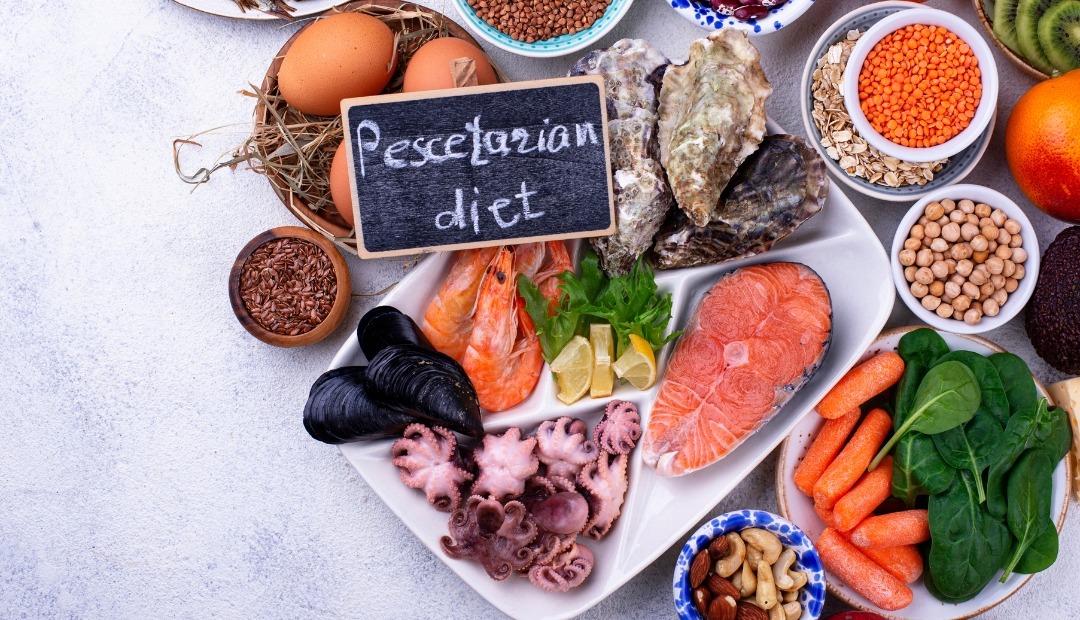
In the ever-evolving world of diets, certain approaches like veganism and vegetarianism have firmly rooted themselves over time. For those seeking a healthier lifestyle without overly rigid restrictions, embracing the pescatarian lifestyle offers a compelling alternative. This dietary choice has deep historical roots, tracing back to ancient Mediterranean cultures, and it has gained notable popularity in contemporary times.
Living in Sherman Oaks, amidst a vibrant community and easy access to fresh produce, adopting a pescatarian diet can seamlessly integrate with your lifestyle. As a resident of Mark Twain Apartments, you can enjoy this healthful eating trend while thriving in a community that values well-being.
If you're fond of seafood and a variety of vegetables, and you're willing to forgo most meats, this might be the perfect lifestyle adjustment for you. This blog post delves into the reasons why a pescatarian diet might be your new favorite, alongside its benefits and some considerations to bear in mind.
Why Opt for a Pescatarian Diet?
Transitioning to new eating habits isn't always easy, but understanding your motivations can be a powerful anchor. Many are drawn to a plant-based diet supplemented with fish for a myriad of reasons.
Environmental consciousness can play a significant role in this decision. A pescatarian diet has a notably reduced environmental impact compared to meat-heavy diets, especially when sustainably sourced fish are chosen. This means contributing to the reduction of greenhouse gases and minimizing land and energy usage, aligning perfectly with eco-friendly lifestyles embraced by many at Sherman Oaks apartments for rent.
Additionally, health benefits are a major draw. This diet offers multiple advantages, including a lower risk of chronic illnesses, making it an attractive option for those seeking a balanced and health-conscious lifestyle.
Unpacking the Benefits
Integrating a pescatarian diet into your lifestyle presents numerous advantages:
Omega-3 Rich Diet
Seafood is often lauded for its high Omega-3 fatty acid content. These anti-inflammatory compounds are known to reduce risks associated with heart disease, type 2 diabetes, and various forms of cancer. By incorporating these fish into your diet at Mark Twain Apartments, you'll naturally be including a heart-healthy option.
Dietary Flexibility
The adaptability of a pescatarian diet is another key benefit. There is little restriction on portion sizes, allowing for a varied and sustainable approach suitable for different people living busy lifestyles in Sherman Oaks.
Weight Management Support
A pescatarian diet can assist in weight management due to its naturally lower calorie content compared to meat-heavy diets. It’s important to utilize healthy cooking methods, such as steaming or grilling, to optimize your health.
Potential Challenges
Like any diet, the pescatarian approach has considerations to be mindful of:
Mercury Concerns
Certain seafood can carry high mercury levels, raising health concerns. It's advisable to limit the intake of fish known for their high mercury content, including king mackerel and swordfish, among others.
Cost Implications
Seafood, particularly fresh varieties, can be pricy. However, affordable and safer fish options such as catfish and light tuna are widely available. With easy access to local markets from Sherman Oaks apartments, maintaining this diet without exorbitant costs is achievable.
What to Eat and Avoid on a Pescatarian Diet
Transitioning to a pescatarian lifestyle? Here are some guidelines to assist:
Include in Your Diet
- Seafood - from fish to shellfish
- Dairy and eggs
- Plant-based foods like legumes and grains
- Fruits, vegetables, nuts, and seeds
Avoid Consuming
- Red meats like beef and pork
- Poultry such as chicken
- Wild game meats
Considering the Pescatarian Lifestyle?
For those situated in communities like the Mark Twain Apartments, adopting a pescatarian diet aligns not just with health goals but also with environmental responsibility. It caters well to those interested in weight loss, increasing plant-based protein intake, or living sustainably. Empower yourself with this approach and enjoy the benefits inherent to both your health and the environment.